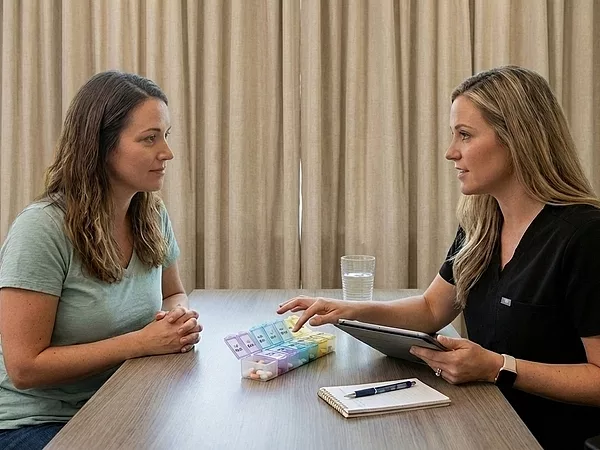


How Telehealth Psychiatry Supports Ongoing Mental Health Care
Most people think mental health care is just about showing up to appointments. But consistency matters more than attendance. Miss a session, skip a check-in, or lose access to your provider for a few weeks — and progress stalls. Telehealth psychiatry changes that equation. It keeps the door open when life gets messy, when schedules shift, or when getting to a clinic just isn't realistic.
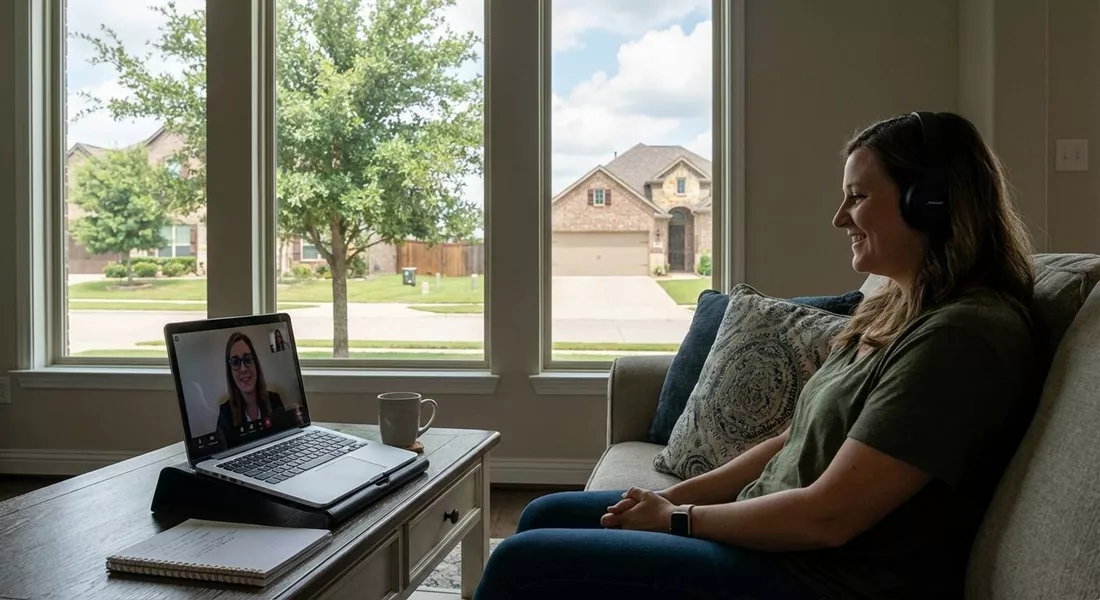
Here's what matters. If you're managing a mental health condition that requires regular support, access shouldn't be the barrier. Every session should be reachable. Every follow-up should happen on time. And every treatment decision should be grounded in what's working for you — not what's convenient for a waiting room schedule.
Geography Stops Being the Problem
Distance used to dictate who got care and who didn't. Live an hour from the nearest psychiatrist? You're out of luck. Can't drive? Even worse. Telehealth flips that script entirely. You connect from wherever you are — home, office, parked car during lunch. The provider's location becomes irrelevant, and suddenly rural areas or underserved neighborhoods aren't mental health deserts anymore.
There's also the stigma piece. Walking into a psychiatric clinic can feel exposing. Telehealth lets you attend sessions in private, without the fear of running into someone you know in the waiting room. That privacy often translates into honesty — and honesty is what makes treatment work.
Treatment Doesn't Stop When Life Moves
Ongoing care means regular touchpoints. But what happens when you relocate for work, travel frequently, or deal with a family emergency? In-person psychiatry often falls apart under those conditions. Telehealth holds steady. You keep the same provider, the same treatment plan, and the same momentum — even when your zip code changes.
Digital platforms make this easier than ever. Secure messaging keeps communication flowing between appointments. Reminders land in your inbox. Records stay organized and accessible. Your psychiatrist can track symptoms, adjust medications, and respond to concerns without waiting for the next available slot three weeks out.
Engagement Goes Up When Friction Goes Down
Convenience isn't a luxury in mental health care — it's a retention tool. The easier it is to attend a session, the more likely you are to show up. Telehealth removes the friction: no commute, no parking, no waiting room anxiety. You log in, you talk, you move on with your day.
And the outcomes back it up. Studies show telehealth psychiatry performs just as well as in-person care for conditions like depression, anxiety, and PTSD. Patients report high satisfaction, citing flexibility and the quality of the therapeutic relationship as major wins. When care fits into your life instead of disrupting it, you're more likely to stick with it.
Multiple Providers Can Actually Coordinate
Mental health care rarely happens in a vacuum. You might have a psychiatrist managing medication, a therapist handling talk therapy, and a primary care doctor monitoring physical health. Telehealth platforms make it easier for these providers to communicate — securely and in real time.
With your consent, they can share notes, align on treatment goals, and adjust plans as needed. This is especially critical for people managing complex conditions or dealing with both mental and physical health challenges. Integrated care works better when everyone's on the same page, and telehealth makes that coordination seamless.
Privacy and Access Still Need Attention
Telehealth isn't perfect. Privacy concerns are real, and providers need to use HIPAA-compliant platforms to protect your information. Not everyone has reliable internet or a device that can handle video calls. These gaps matter, and they can exclude the people who need care most.
Many clinics are addressing this by offering tech support, loaner devices, or access to private spaces for sessions. Some even provide hybrid models — telehealth when it works, in-person when it doesn't. The goal is to meet patients where they are, not force them into a one-size-fits-all model.
What Makes Telehealth Stick
Telehealth psychiatry works because it removes the obstacles that derail ongoing care. It's not a replacement for every type of treatment, but for regular check-ins, medication management, and therapeutic support, it's a game-changer.
Here's what makes it effective:
- You can attend sessions from anywhere with an internet connection
- Scheduling flexibility reduces missed appointments
- Privacy increases comfort and openness during sessions
- Continuity of care remains intact even when life circumstances shift
- Providers can monitor progress and adjust treatment in real time
When Telehealth Fits Your Needs
Not every mental health situation is a fit for telehealth, but many are. If you're managing a chronic condition, adjusting medications, or working through ongoing therapy, telehealth keeps you connected without the logistical headaches.
Here's when it makes the most sense:
- You live far from a psychiatric provider
- Your schedule makes in-person appointments difficult
- You're dealing with mobility or transportation challenges
- You prefer the privacy of attending sessions from home
- You need consistent follow-up without gaps in care
The Tools That Keep Care on Track
Telehealth platforms aren't just video calls. The best ones include features that support ongoing treatment and make it easier to stay engaged.
Look for platforms that offer:
- Secure messaging for questions between sessions
- Appointment reminders and easy rescheduling
- Digital records you can access anytime
- Integration with other providers for coordinated care
- Mobile access so you're not tied to a desktop
What Happens When You Skip Sessions
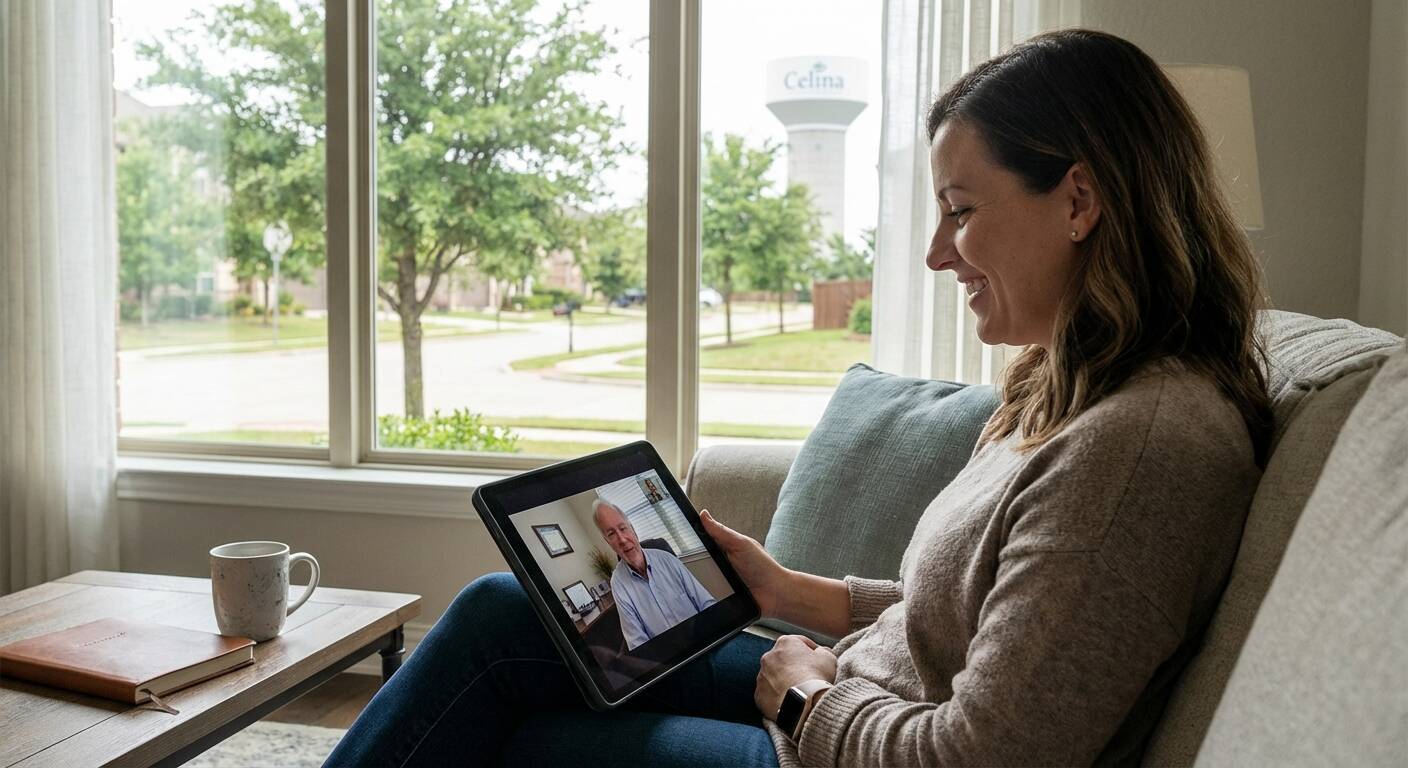
Mental health care depends on consistency. Miss a few appointments, and symptoms can resurface. Medication adjustments get delayed. Progress stalls. Telehealth reduces the likelihood of those gaps by making it easier to keep appointments — even when life gets chaotic.
Here's what breaks down without regular care:
- Medication effectiveness can decline without monitoring
- Symptoms may worsen or return unexpectedly
- Therapeutic progress loses momentum
- Crisis situations become harder to manage
- Trust and rapport with your provider can weaken
Why Documentation Still Matters
Even with telehealth, keeping track of your care is essential. Document your sessions, note any changes in symptoms, and track medication adjustments. This record helps your provider make informed decisions and gives you a clear picture of your progress over time.
What to keep on file:
- Session dates and key discussion points
- Medication changes and dosage adjustments
- Symptom patterns or triggers you've noticed
- Any side effects or concerns that come up
- Goals you've set and progress toward them
Care That Moves With You
Telehealth psychiatry isn't just a convenience — it's a shift in how ongoing mental health care gets delivered. It removes the friction that keeps people from getting help and staying engaged. When access is no longer the issue, treatment can focus on what actually matters: your progress, your goals, and your well-being.
The technology is here. The providers are ready. And the outcomes prove it works. If you're managing a mental health condition that requires regular support, telehealth might be the tool that keeps you moving forward — no matter where life takes you.
Let's Take the Next Step Together
Staying connected to your mental health care shouldn't be complicated. With telehealth psychiatry, we can help you keep your progress on track, no matter what life throws your way. If you're ready to experience care that fits your schedule and your needs, call us at 469-368-9616 or book an appointment today. Let's move forward together.

Recent Posts
-
-

-
How GeneSight Testing Can Help Guide Psychiatric Treatment
April 13, 2026
-

Mental Health Services for Adults in Prosper, TX
March 30, 2026
-